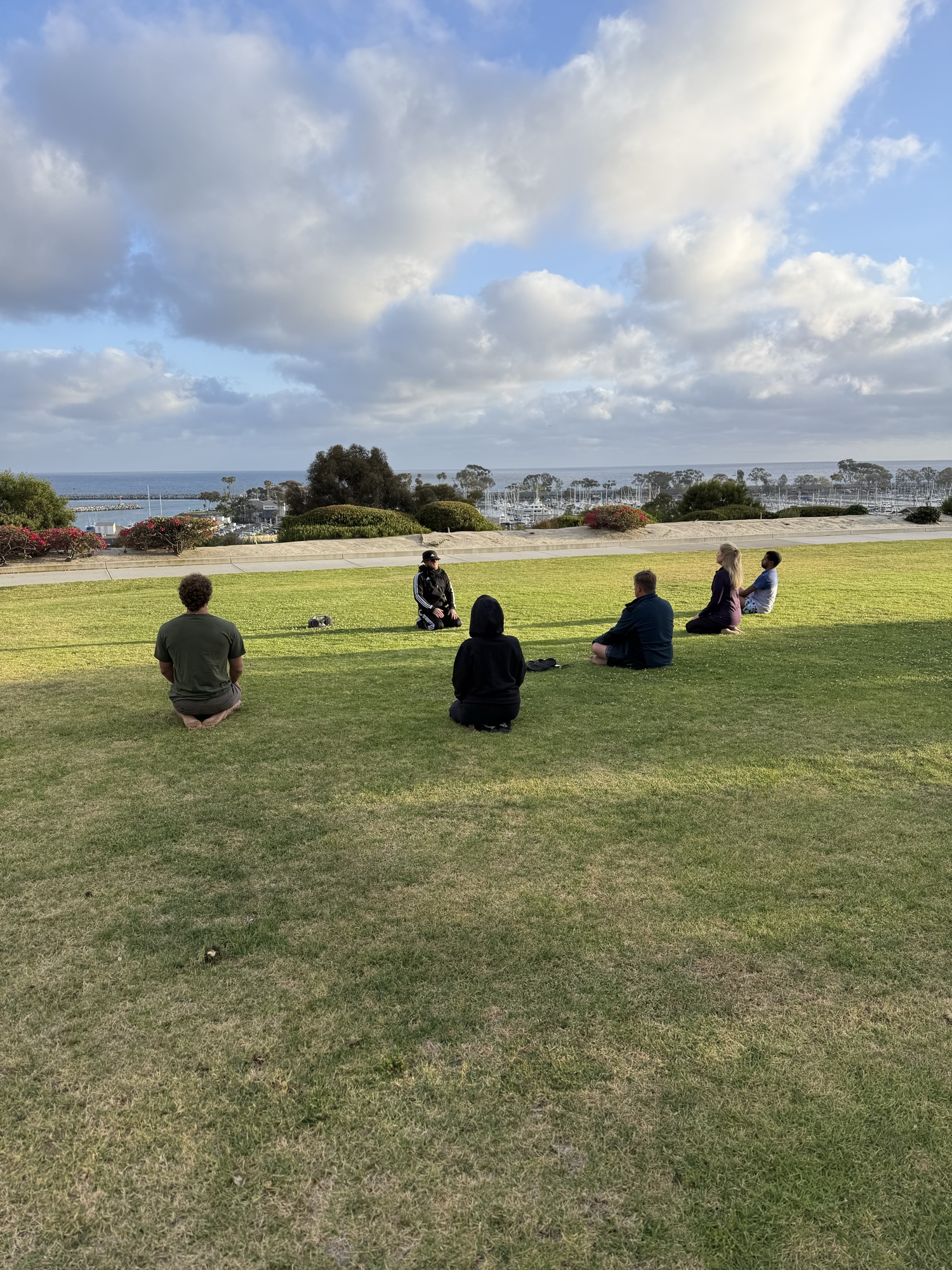
I've watched people walk into the training hall shy, fragile, and overwhelmed by whatever they were carrying, and walk out months later standing straighter, speaking with more confidence, and holding themselves like they finally trusted their own body again. I've seen it happen because I lived a version of it myself.
I want to be direct about what this is and isn't. I'm a martial arts instructor, not a licensed recovery professional, and nothing here replaces the support of the people trained and equipped for that work. What I can speak to is what happens on the mat — what training gave me personally, and what I've watched it give other students who were rebuilding their lives — and why structure matters so much when everything else in your life feels unstructured.
Recovery asks a lot of the body, and martial arts training gives it somewhere productive to go. Consistent training rebuilds strength, agility, and basic physical health — the kind of foundation that makes everything else easier to carry.
There's no shortcut through a hard sparring round or a horse stance held past the point of comfort. That kind of repeated, voluntary difficulty builds a specific kind of resilience — the ability to stay in something uncomfortable instead of bailing the moment it gets hard. That skill transfers directly to holding a recovery goal on a bad day.
Training forces you to face frustration, embarrassment, and setback in real time, in front of other people, over and over. Students who stick with it build a kind of emotional footing — not because the mat fixes anything by itself, but because showing up repeatedly and surviving discomfort teaches your nervous system that discomfort isn't the same as danger.
Every belt system is built on the same values: discipline, integrity, and follow-through. Training reinforces those values through repetition until they stop being ideas and start being habits — the same habits that make sticking to a recovery goal possible on the days motivation runs out.
Recovery, at its core, is a discipline problem as much as anything else — showing up for the harder choice, day after day, especially when nobody's watching. Martial arts training gives that discipline a physical home, a community, and a way to measure progress that isn't abstract. You either showed up to class or you didn't. You either held the stance or you didn't. That kind of clear, honest feedback is rare, and it's part of why training has meant so much to me and to students I've coached through hard seasons.
If you're rebuilding structure in your life and want a place to put that discipline, come train with us — the mat doesn't replace the harder work, but it gives it somewhere to stand.