42 articles on martial arts training, KCJK breathwork, mindset, and the discipline of showing up. Written by Shaun “Beastman” Anderson.
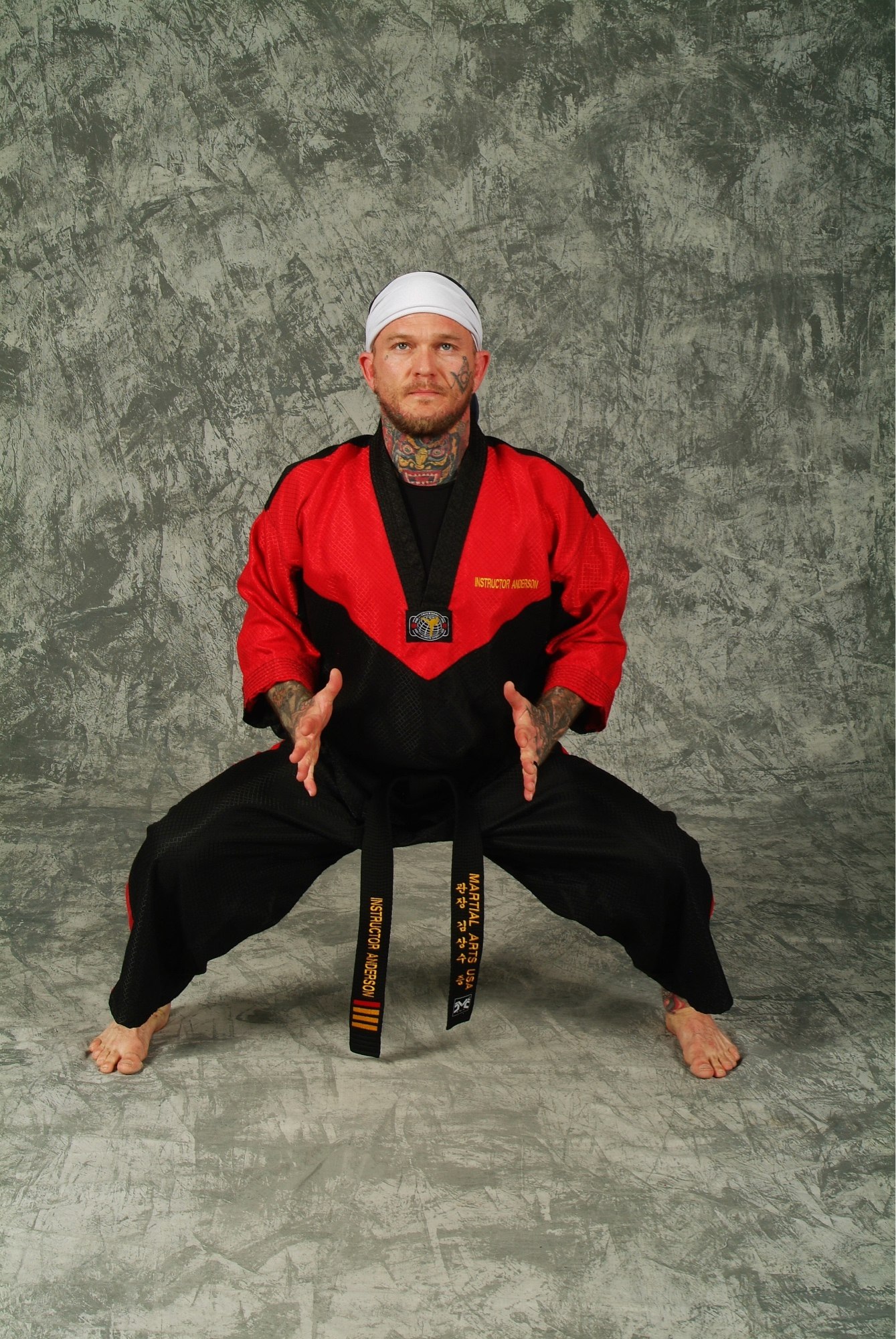
The same person becomes two completely different people depending on the environment. Check the fruits.
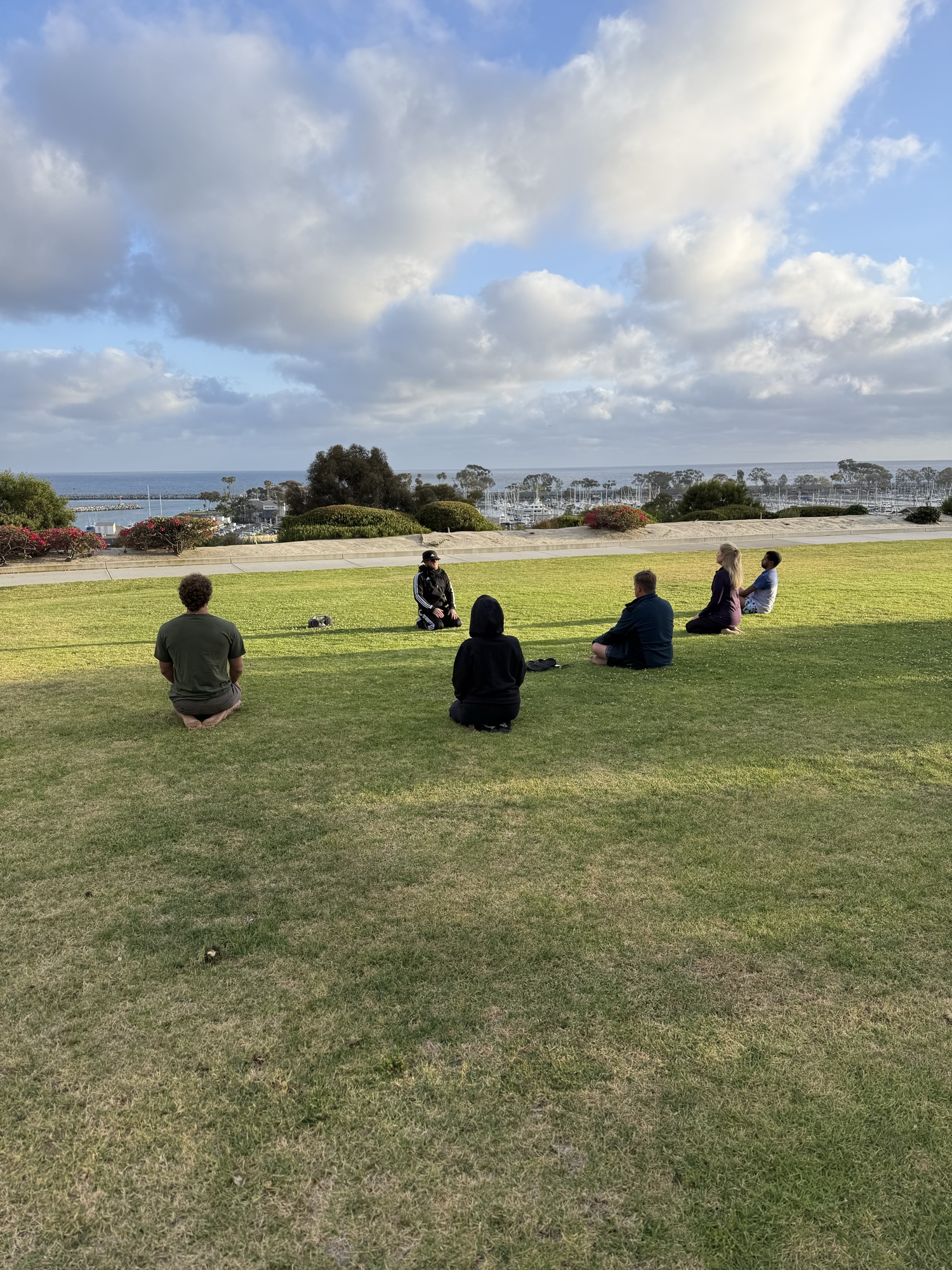
You act out the identity you believe. A system that needs you dirty needs you dependent.
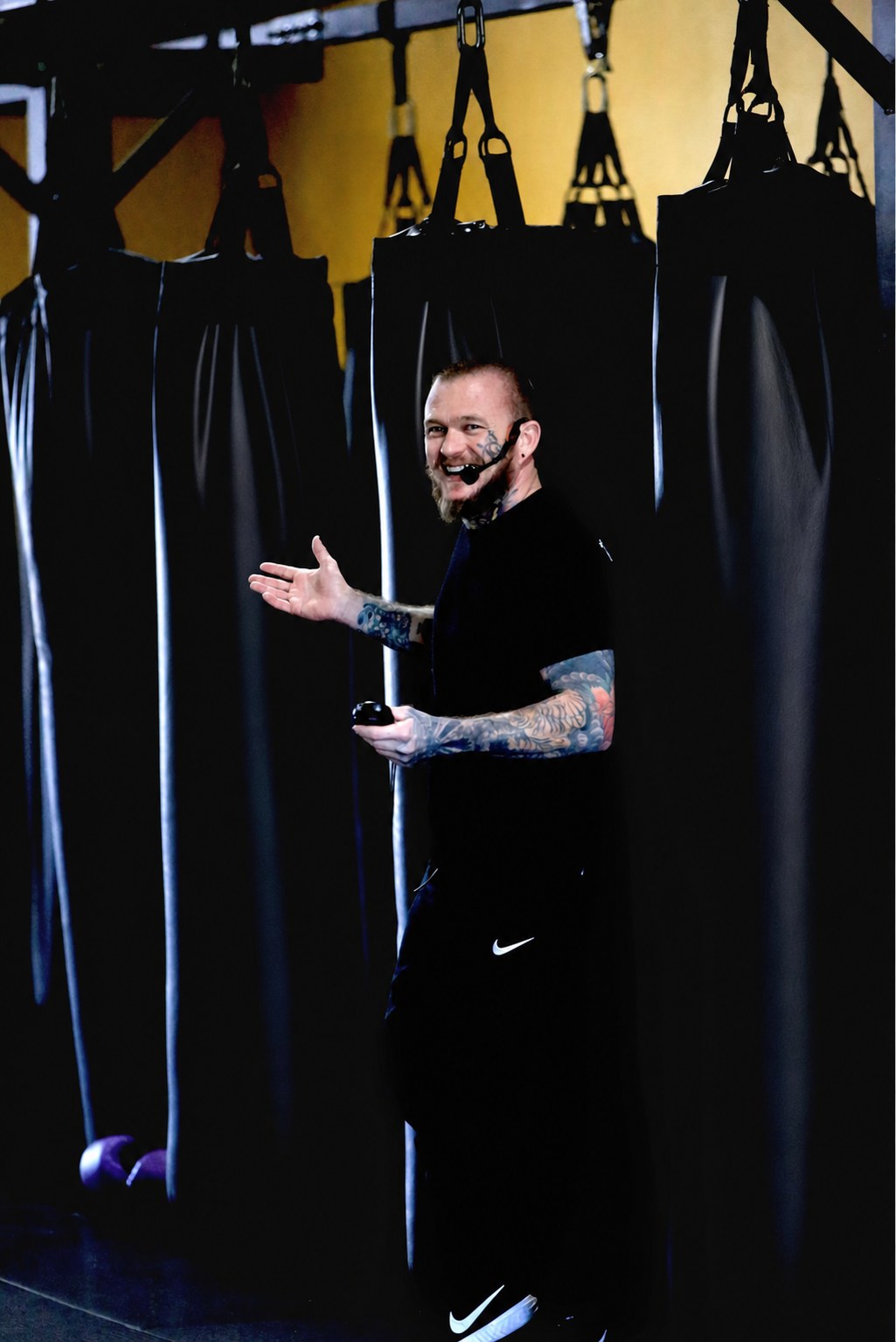
Your thoughts are spaghetti noodles smashed together. Record them, pull one out, find the pattern.
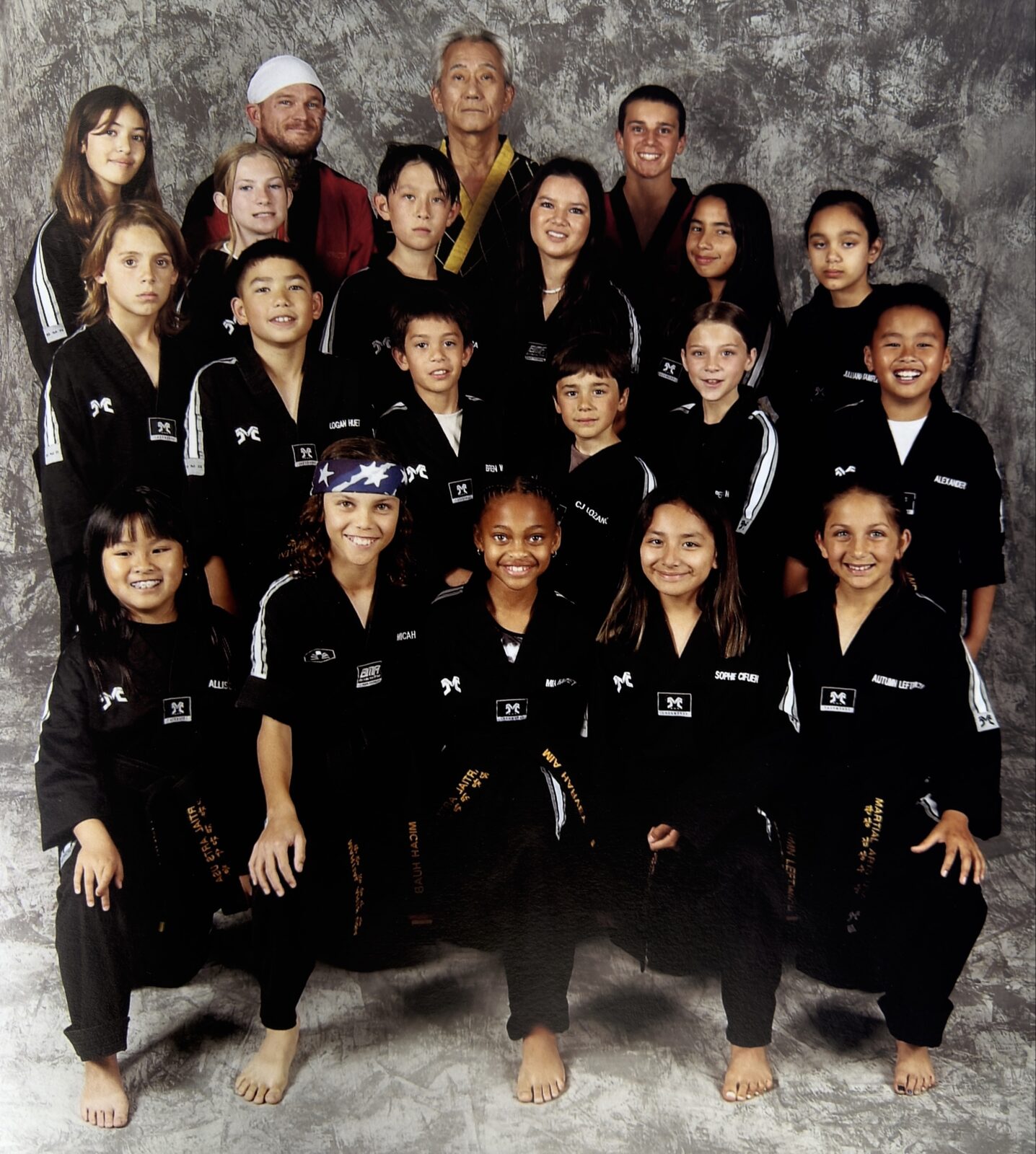
How do you get kids to love flutter kicks? Tell them the floor is lava. Imagination, not intimidation.
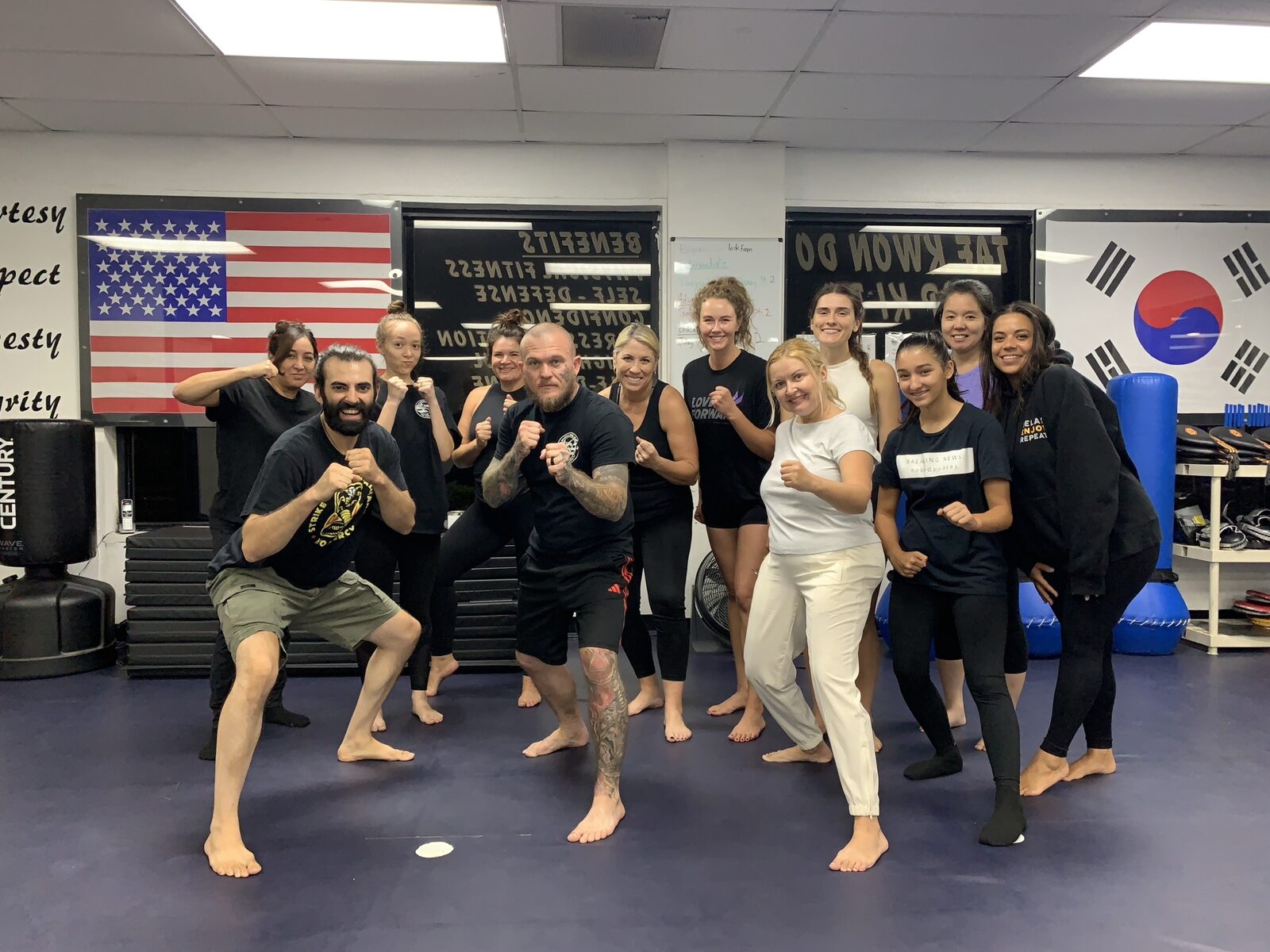
If you're holding the target, your job is to make your partner look like a ninja.
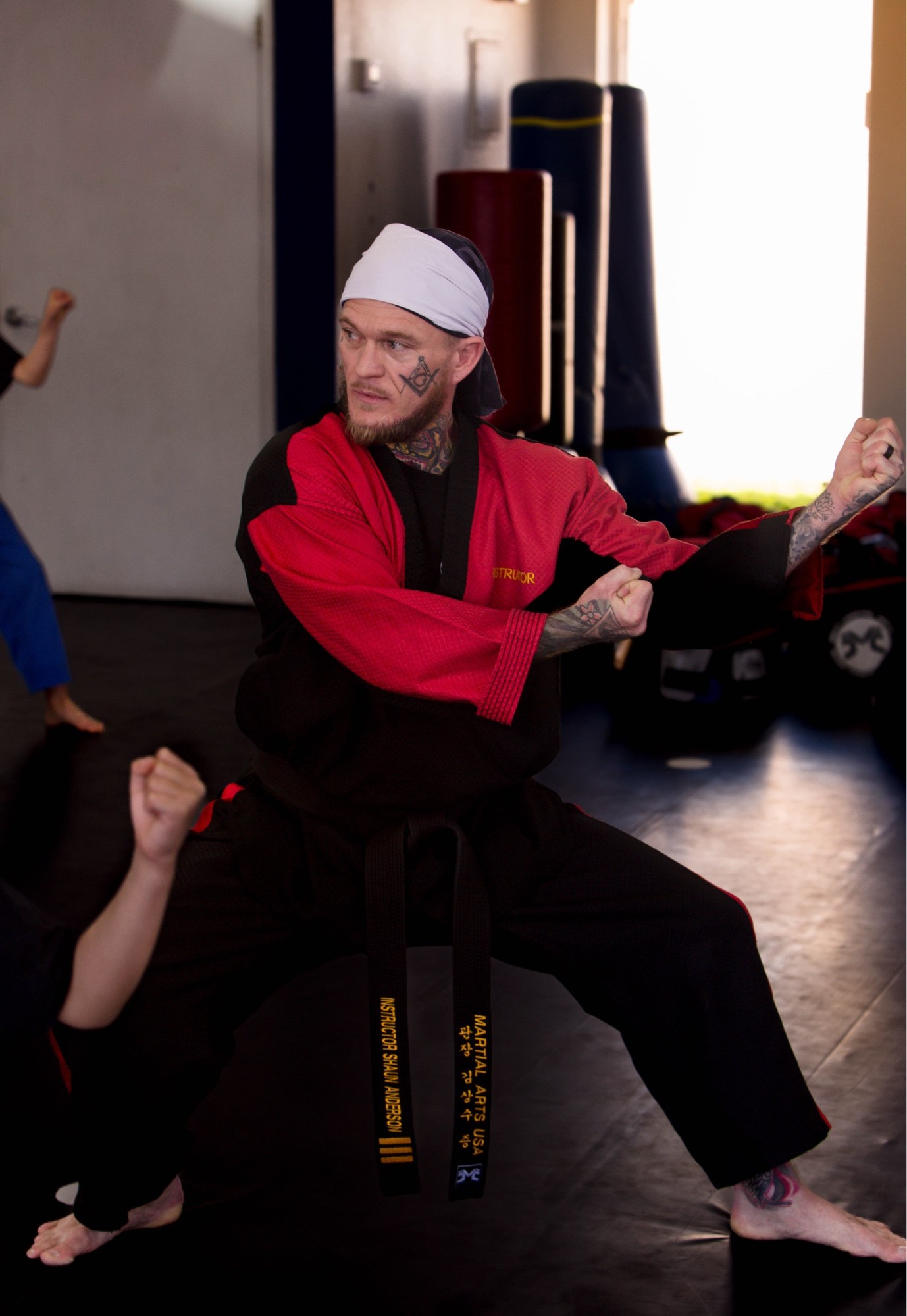
Basics are the moves. Tips are the understanding. I want my students technical like surgeons.
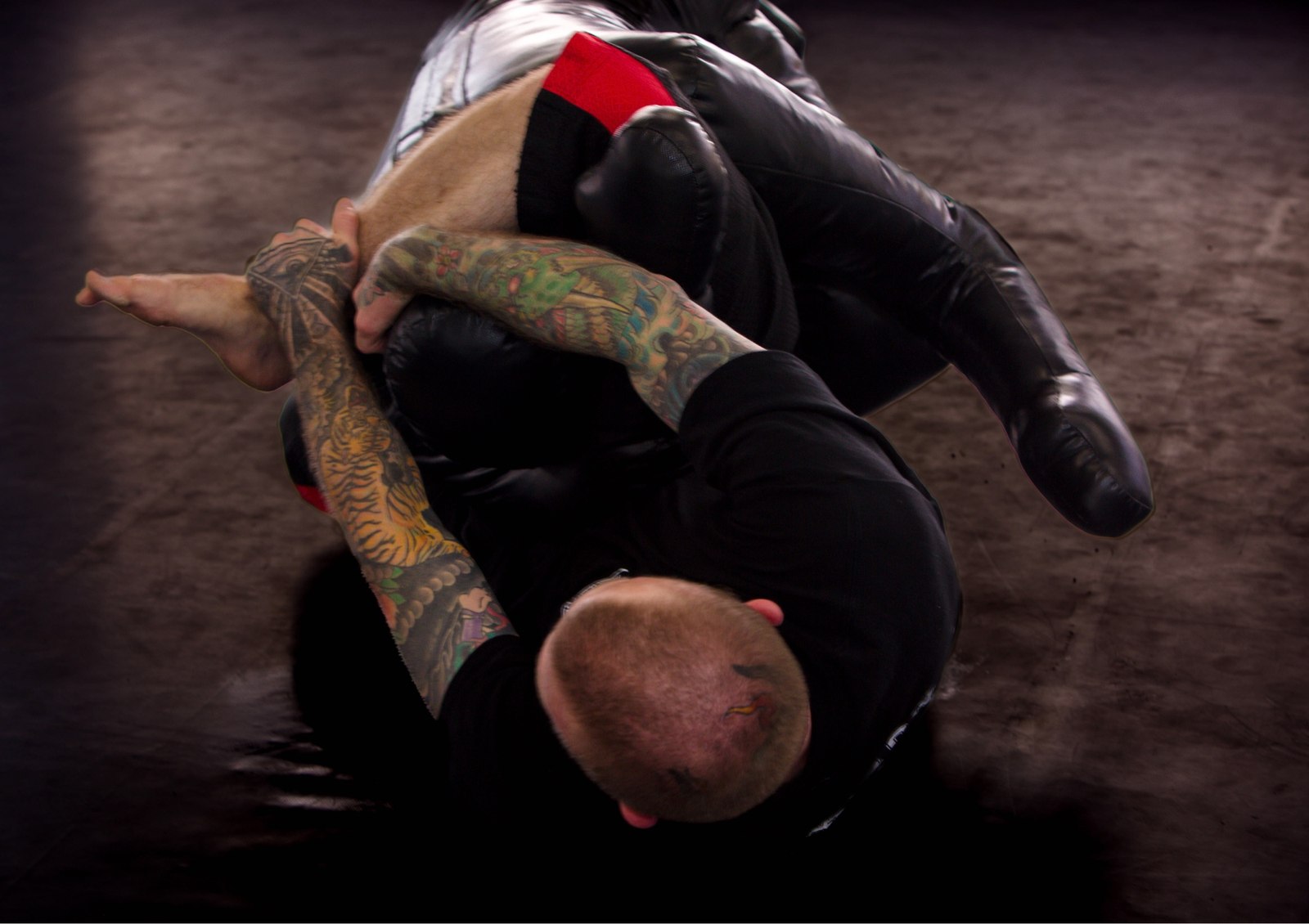
A cut kick isn't just a technique. It's a threat — a weapon ready to fire.
A six-year-old fell, started crying, then did his focus breathing for one minute and felt better. He taught himself.
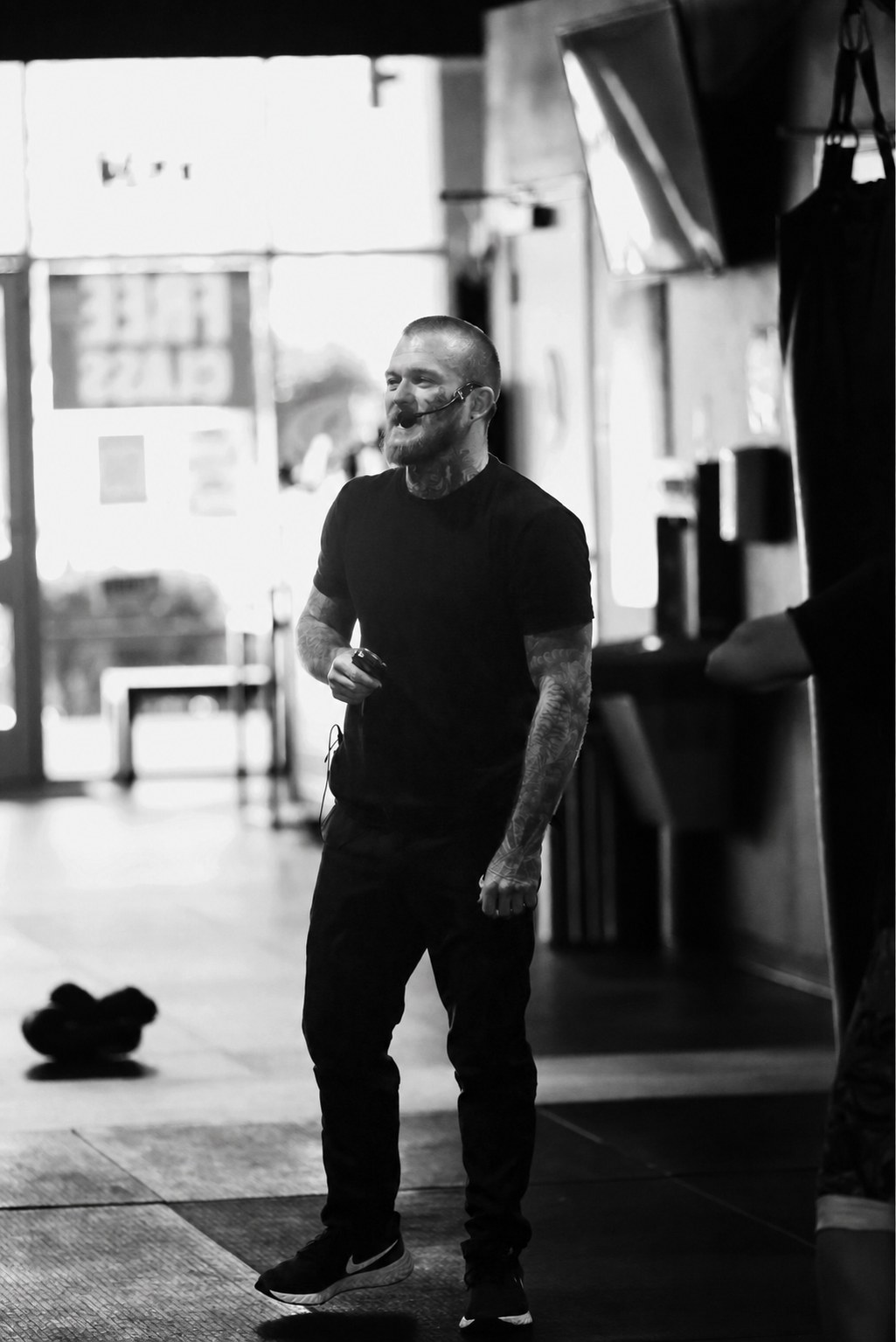
This is the safest place you're going to fail. Failure isn't bad. Failure is a teacher.
Every class, my students walk up to a grown-up they've never met and shake their hand. Courtesy isn't a poster. It's a drill.

Half-reps are lying to yourself. Why I stop class to correct an ab roller — and what doing things all the way teaches you about everything else.
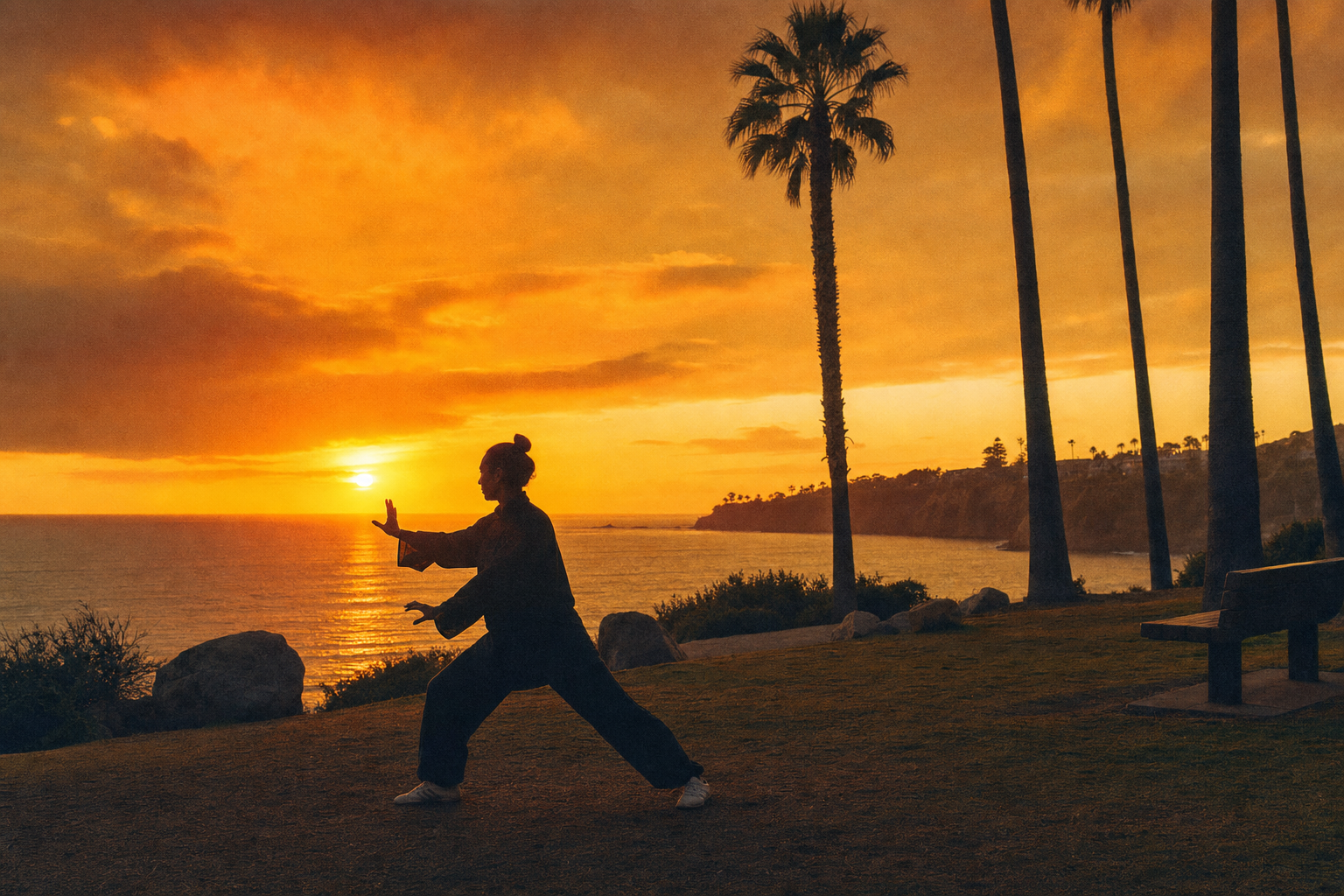
Everyone says the hardest part of training is getting to class. But once you're through the door, the real training happens when the lights dim and it's just you and your breath.
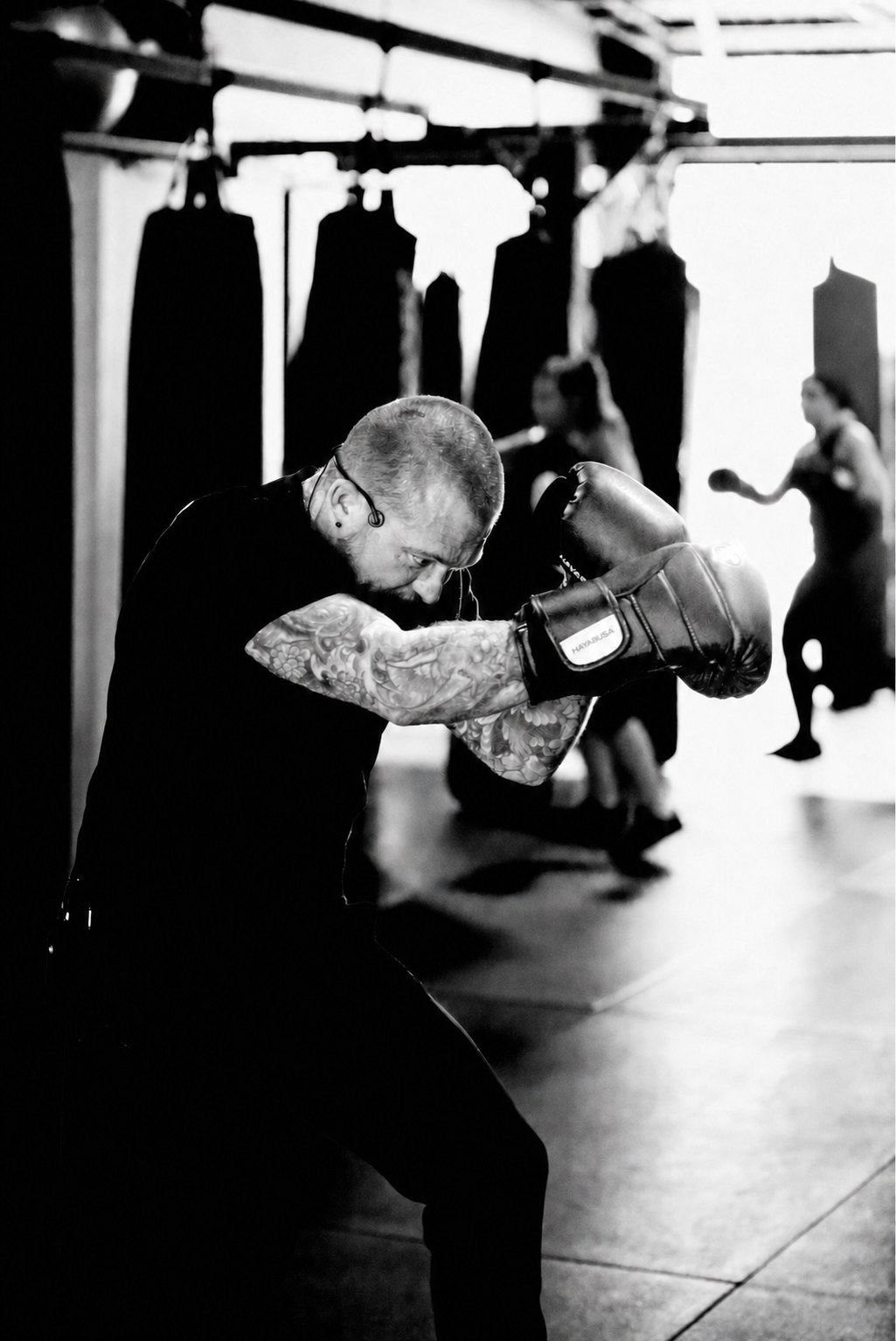
Real self-defense starts with the threat you're actually likely to face, not the movie version. A five-layer framework built on your own hand.
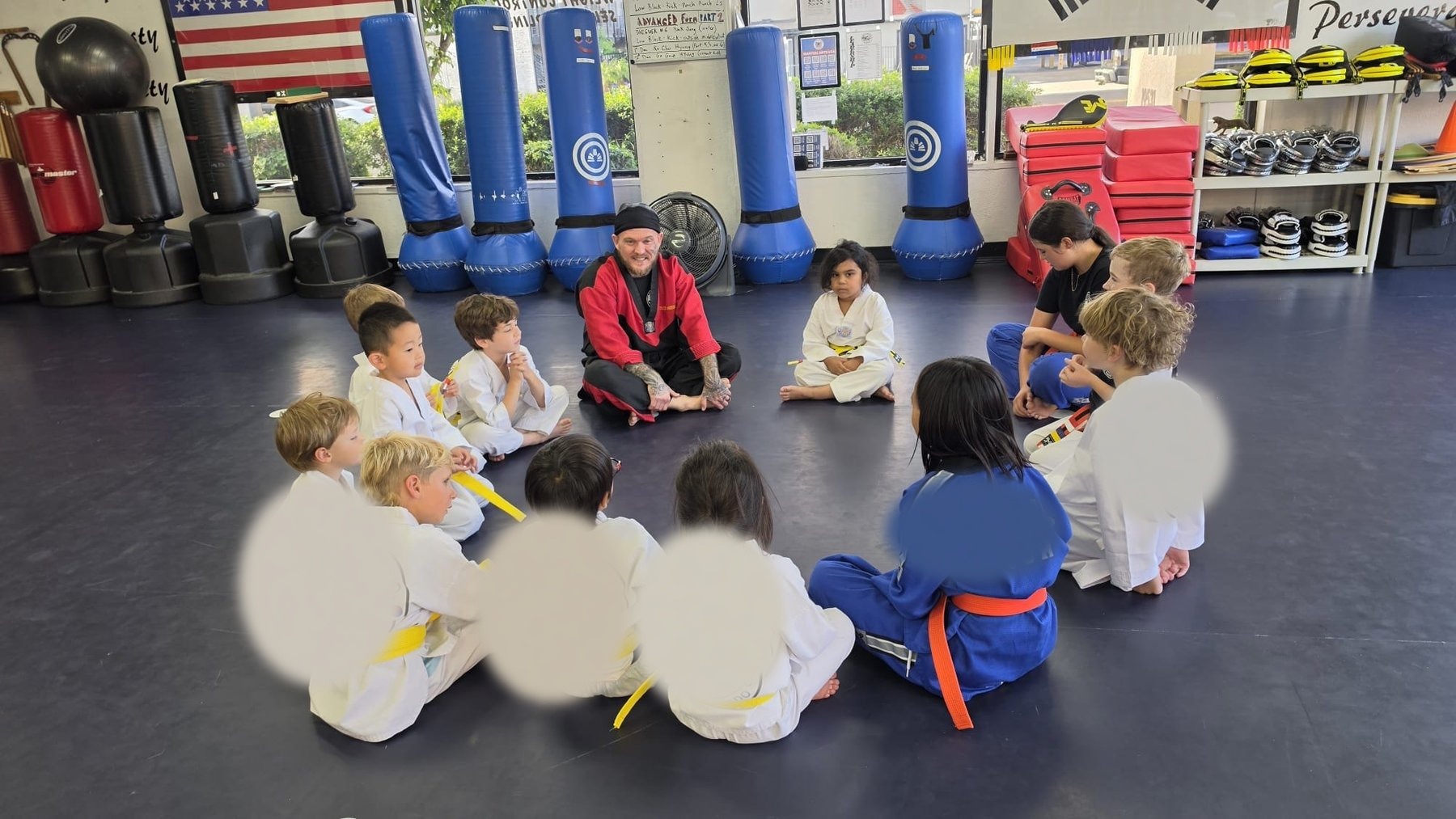
Two words I say at the end of every class teach more real leadership than any speech could. Here's why cleanup is the actual curriculum.

Birds navigate by quantum biology without knowing it. Your body has its own built-in hardware too — here's what it means for how you breathe and move.
Shaun Anderson on why most prayer is one-way talking, and what he learned about real listening while swimming laps underwater during recovery.
Shaun Anderson on why every sparring round needs three plans, not one, and how to build a pattern on purpose just so you can break it later.
Your arms will lose to a kick every time you hold a target wrong. Learn the framing and bracing principle that protects you in training and real life.
Koryo isn't just another form — it's where eight years of separate lessons finally become one system. Here's why it marks a turning point in training.
Ages four to eight offer a developmental window that never repeats. Here's why early martial arts training builds a foundation adults can't replicate.
A black belt isn't a moment, it's an accumulation. Here's what I tell students about correction, growth, and what the belt really represents.
Before the dojo, before the brand, there was a mountain, a monastery, and a three-day fast that reshaped how I understand prayer and discipline.
Shaun Anderson breaks down the piezoelectric effect and shows how KCJK breathwork turns old ideas about Chi into trainable, measurable physiology.
Board breaking isn't about anger or brute strength. It's four measurable variables lining up precisely. Here's the real physics behind a clean break.
Everyone wants the jump kick and the board break. Here's why conditioning — not raw talent — is what actually makes those techniques possible at all.
Most people punch with only sixty percent of their available power. One shoulder adjustment unlocks the rest — here's the mechanics behind it.
Why the best taekwondo kicks start with the jump, not the leg. A breakdown of hang time, drills, and why kids benefit from starting young.
Shaun Anderson explains how KCJK Korean martial breathwork differs from traditional Tai Chi in philosophy, breath role, speed, and real-world application.
Shaun Anderson on training the vagus nerve with the KCJK method — six named martial breaths built to keep you steady when real pressure hits.
Ki Cho Ja Ki is a six-technique Korean breath-and-stance system built on real physiology — not a wellness trend. Here's how it actually works.
Skip the vague breathing advice. Here are three breath methods backed by real research, and how each one maps onto structured training.

Shaun Anderson on how structure, calibrated power, and honest feedback on the training mat build real discipline and lasting community for life.
Shaun Anderson on stacking rocks, morning writing, and martial arts as forms of moving meditation that helped him fight his way out of depression.
Shaun Anderson on how belt ranks and the Japanese concept of Shuhari turn martial arts training into a real, measurable path of personal growth.
How the structure and discipline of martial arts training helped me, and other students, rebuild focus and habits during recovery.
A jiu-jitsu instructor once told me it's not about the submission, it's about the journey — and it changed how I train and how I live.
Martial arts is more than exercise. Here are five real, experience-based mental health benefits students consistently report from consistent training.
Across karate, taekwondo, jiu-jitsu, and hapkido, one value runs through everything: respect. Here's why the bow is never empty ritual.
Fitness, community, and coping skills all show up on the mat. Here's how martial arts training supports mental wellbeing without any hype attached.
Sun Tzu wrote for the battlefield, but his strategy holds up for ordinary conflict. Five principles from The Art of War I actually use off the mat.
Shaun Anderson on how martial arts and physical fitness helped rebuild his mind and body after addiction, and the science behind why movement matters.
Shaun Anderson breaks down the three biggest ways martial arts training builds real confidence, discipline, and goal-setting skills in children.